Smart City Technology: Transforming Urban Living
Drift into Insight >> technology>> Smart City Technology: Transforming Urban Living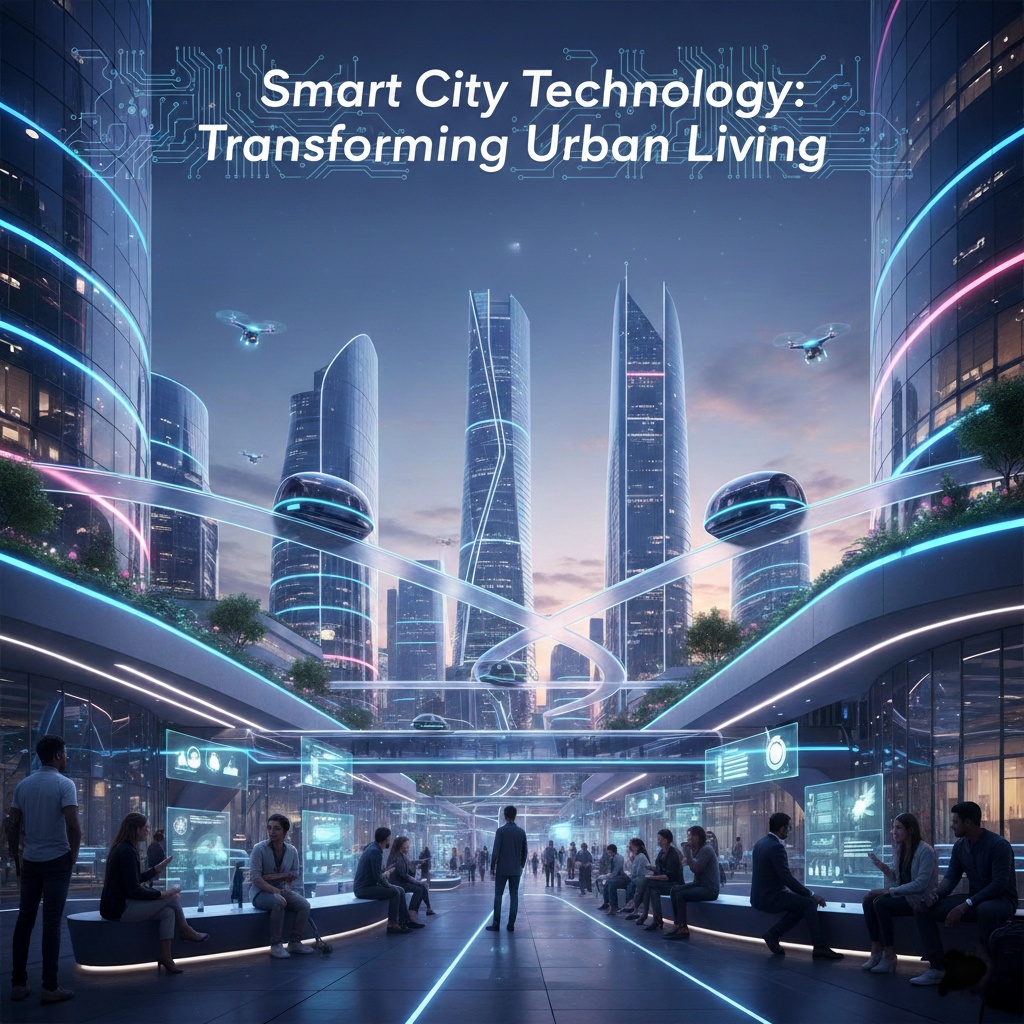
Smart City Technology: Transforming Urban Living
Urban life is evolving rapidly, and cities worldwide are embracing technology to become more efficient, sustainable, and citizen-friendly. At the heart of this transformation is smart city technology an integration of IoT sensors, artificial intelligence (AI), data analytics, and digital infrastructure designed to optimize city operations and improve quality of life. From intelligent transportation to energy efficient buildings, smart cities are redefining the way we live, work, and interact with our urban environment.
What is Smart City Technology
Definition and Concept
A smart city uses advanced technology to monitor, manage, and improve urban services in real time. It combines digital infrastructure with data-driven decision-making to create a responsive environment that addresses the needs of citizens. The goal is not just to implement technology for the sake of innovation but to make cities more efficient, sustainable, and livable.
The concept revolves around the integration of Internet of Things (IoT) devices, AI systems, and connectivity networks, which allow city authorities to optimize traffic, energy, waste management, and public safety. In essence, smart city technology transforms urban areas into data driven ecosystems, where technology and human centered design work together.
Key Components & Technologies
1 . IoT Devices and Sensors: Smart cities rely on cameras, environmental sensors, and meters to collect data on traffic flow, air quality, noise levels, and energy consumption. This real-time information forms the backbone of city management systems.
2 . Data Analytics and AI: Collected data is processed using AI algorithms to identify patterns, predict maintenance needs, and optimize city services. AI can help manage traffic congestion, energy distribution, and emergency response.
3 . Connectivity Networks: High-speed networks such as 5G, Wi-Fi, and low-power wide area networks (LPWAN) connect sensors, devices, and systems, enabling seamless communication across city infrastructure.
4 . Smart Grid Technology: Advanced energy management systems reduce waste, improve efficiency, and ensure that energy is distributed intelligently across urban areas.
Core Applications of Smart City Technology
Mobility & Transportation
Transportation is one of the most visible applications of smart city technology. Intelligent traffic lights, real-time navigation apps, and smart parking systems reduce congestion and improve urban mobility. Cities like Singapore have implemented Intelligent Transportation Systems (ITS), including traffic monitoring, electronic road pricing, and smart bus stops, to optimize commuter experiences.
Similarly, ride sharing platforms and on-demand mobility services complement public transit, making urban travel more accessible and sustainable. By integrating data from various transport modes, cities can plan better routes, reduce emissions, and enhance overall efficiency.
Energy & Sustainability
Urban sustainability is central to smart city initiatives. Cities face increasing energy demands, and smart energy solutions focus on renewable sources, energy efficiency, and intelligent distribution systems. For example, Copenhagen’s EnergyLab Nordhavn uses solar and wind power, intelligent heating systems, and electric vehicle integration to reduce energy consumption and support carbon neutrality goals.
Smart meters and energy analytics allow households and businesses to monitor usage, detect anomalies, and reduce waste, while city-wide energy networks ensure reliable and sustainable energy delivery.
Infrastructure & Smart Buildings
Smart buildings are a cornerstone of modern urban planning. These structures utilize automated lighting, climate control, access management, and digital signage to enhance comfort, security, and efficiency. The Edge in Amsterdam is one of the most advanced examples, featuring 28,000 sensors connected through a mobile app, optimizing lighting, room occupancy, and energy consumption.
By integrating building management systems with city-wide networks, urban areas can minimize resource use, reduce operational costs, and create environmentally friendly living spaces.
Public Safety & Environmental Monitoring
Safety and environmental quality are critical concerns for any city. AI-powered surveillance and real-time monitoring allow for faster emergency response and proactive risk management. Sensors track pollution, noise, and air quality, helping cities enforce environmental regulations and improve public health. Programs in Chattanooga, Tennessee, and Zhejiang Province, China, demonstrate how smart monitoring systems enhance both civic safety and environmental management.
Benefits of Smart City Technology
Enhanced Quality of Life
Smart cities create citizen centric environments where services are faster, more reliable, and more responsive. Traffic flows improve, public transport becomes more efficient, and access to public amenities is streamlined. Residents experience smoother daily routines and more convenience in their interactions with urban services.
Resource Efficiency & Sustainability
By monitoring energy, water, and waste systems, smart cities can reduce consumption and environmental impact. Automated street lighting, leak detection in water systems, and energy-efficient infrastructure help lower carbon footprints while conserving resources.
Economic Growth & Innovation
Investing in smart technologies drives innovation, attracts businesses, and creates jobs. Cities become hubs for tech-driven enterprises, sustainable development projects, and urban startups, supporting long-term economic growth while fostering global competitiveness.
Challenges in Implementing Smart Cities
High Costs and Investment Barriers
Developing smart city infrastructure requires substantial capital. Cities must invest in sensors, networks, AI platforms, and maintenance, which can be a barrier, especially for developing regions.
Privacy and Cybersecurity Concerns
Smart cities rely on extensive data collection, raising privacy and cyber security issues. Protecting citizens’ personal information and securing infrastructure from cyber threats are major considerations for urban planners.
Technical & Cultural Limitations
Integration of diverse systems, lack of technical expertise, and cultural resistance to technology adoption can slow smart city development. Long-term planning and public engagement are necessary to ensure success.
Real-World Examples of Smart Cities
Vienna, Austria: Public-private partnerships allowed citizens to invest in solar plants, while addressing social issues like gender equality and affordable housing.
Singapore: Advanced Intelligent Transportation Systems optimize traffic, parking, and commuter experiences.
Oslo, Norway: Smart streetlights save nearly 70% in energy consumption while providing real-time monitoring.
Copenhagen, Denmark: EnergyLab Nordhavn integrates smart energy, electric vehicles, and sustainable heating systems.
Vancouver, Canada: Citizens co-created the Greenest City 2020 Action Plan, focusing on sustainability and social inclusion.
Zhejiang Province, China: Over a million electric vehicle charging stations and air quality monitoring programs showcase large-scale urban innovation.
These examples demonstrate that smart city technology is not just a concept but a practical, transformative force shaping the future of urban living.
The Future of Smart City Technology
The evolution of smart cities points toward greater citizen engagement, sustainability, and integration of emerging technologies. AI and IoT will continue to enhance urban mobility, energy efficiency, and public safety. As cities expand, data-driven governance, transparent operations, and inclusive planning will become essential to ensure that technology benefits all residents.
Collaboration between governments, private enterprises, and citizens will shape the cities of tomorrow. With responsible implementation, smart city technology has the potential to create responsive, resilient, and sustainable urban environments worldwide.
Conclusion
Smart city technology is transforming urban life by integrating IoT, AI, and data-driven solutions into infrastructure, transportation, energy, and public services. While challenges like cost, privacy, and technical limitations exist, the benefits enhanced quality of life, sustainability, and economic growth far outweigh them.
Cities like Vienna, Singapore, and Copenhagen showcase the real-world potential of these innovations, offering a blueprint for future urban development.
As technology evolves, smart cities will continue to redefine how we live, making urban areas more efficient, responsive, and citizen-centric.
Please follow and like us:


Related Post
Agentic AI: The Defining Tech Trend of 2026 (And How to Rank for It)
Executive Summary As we move further into 2026, the technology landscape is shifting from Generative…